Species Action Plan for the Serotine Bat in Surrey (draft)
Introduction
The following document is the second draft
of a species action plan for the serotine bat in Surrey. It is shown here for
the benefit of members of the bat group and interested parties for them to read
and comment upon. At present it's contents are entirely aspirational and
discussions have been held with only some of the agencies listed under the
heading "Proposed Action."
Current Status
Within the south east of Britain generally,
and in Surrey in particular, there is a growing feeling that our population of
larger bats, especially the serotine, is in a steep decline. The serotine is
known to be the only British bat that is almost entirely dependent upon
buildings for roosting, and as such it is particularly vulnerable to
disturbance and persecution, through ignorance or fear.
In the UK Action Plan for Bats (Hutson,
A.M., 1993. Action Plan for the Conservation of Bats in the United Kingdom.
BCT, London) the serotine is listed as having a restricted distribution and
frequent status, while the same publication gives its IUCN status as
vulnerable.
All British bats, including the serotine,
are protected under a variety of national and international laws and treaties,
most notably:
International
National
Current Factors
Causing Loss or Decline
Loss of suitable feeding habitats through
changes in land use, such as hedgerow removal and reductions in dairy farming.
Shortages of food at critical times of the
year because of the impact of modern agricultural practices on populations of
larger beetle species.
Loss of maternity roosts as a result of
exclusion, disturbance or destruction of roosts.
Mortality as a direct result of timber treatments
in domestic roof spaces.
Current Action
The serotine is one of the species being
monitored by the DETR-sponsored National Bat Monitoring Programme.
Records for all bat species including the
serotine are collated by the Surrey Bat Group using data supplied largely by
its own members. These data include records of roosts, field sightings, and
injured bats.
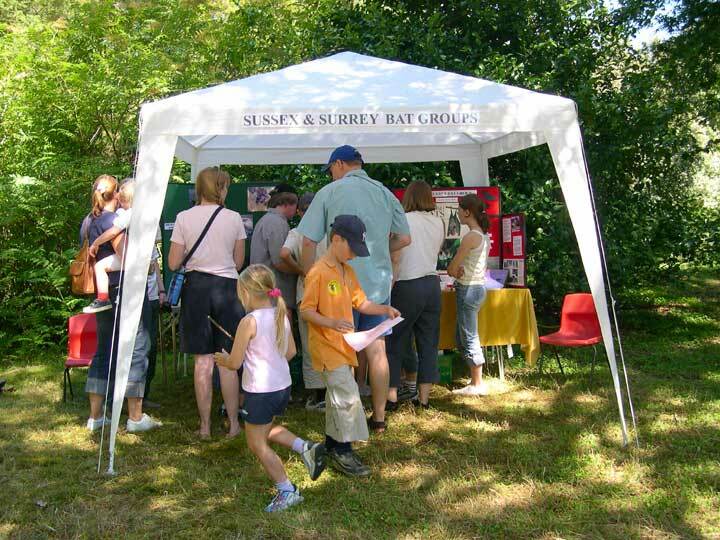
The Surrey Bat Group has organised a wide
ranging series of talks covering many aspects of bat conservation and biology,
including some specifically concerned with the serotine. Bat group members have
also given talks to other groups within the county aimed at promoting a better
understanding of bats and their requirements.
English Nature provide statutory advice,
with support from bat group members, to protect all bats and their roosts.
Action Plan
Objectives and Targets
Proposed Action With
Lead Agencies
|
Proposed Action |
Objectives |
Lead Agencies |
|
Policy and legislation |
|
|
|
Ensure LAs implement PPG9 in respect of bats and their habitats, by monitoring planning applications and surveying where appropriate to ensure protection of roosts and foraging habitat. |
1, 4, 5 |
LAs, EN, SBG, SWT. |
|
Ensure the needs of serotines are considered in local plans, LEAPs and plans of other statutory bodies. |
1, 4, 5 |
LAs, EA, SBG |
|
Consider obligations of Habitats and Species Directive, and Bern and Bonn Conventions to develop appropriate policies on wider habitat conservation for serotines. |
1, 4 |
LAs, EN, FA |
|
Investigate the effect of incentive schemes in preserving foraging habitat e.g. Countryside Stewardship, Woodland Grant Scheme, Set-aside. |
1, 4 |
MAFF, FA, LAs, FWAG, SWT |
|
Promote use of safe methods for timber treatment including the use of least toxic chemicals through COSHH regulations. |
1, 5 |
SBG, EN, BCT. |
|
Site Safeguard and Management |
|
|
|
Encourage acceptance and understanding of existing roosts by their owners and site managers. |
1, 3, 5 |
EN, SBG, SWT, LAs |
|
Identify and protect all roosts. |
1, 5 |
SBG, EN |
|
Provide guidance on positive management of roosts and foraging habitat. |
1, 4, 5 |
SBG, EN, SWT |
|
Advisory |
|
|
|
Develop guidelines to help local authorities identify planning applications that could put serotines or their foraging habitats at risk. |
1, 4, 5 |
SBG, SWT, LAs |
|
Liaise with landowners and managers to alert them to importance of roosts and foraging areas, and ensure that management advice is available. |
1, 4, 5 |
SBG, FA, EN, FWAG, NT |
|
Future research and monitoring |
|
|
|
Ensure data handling and storage is effective. |
2 |
SBG |
|
Increase survey and monitoring of local bat population to improve accuracy of existing data. |
2 |
SBG |
|
Identify local habitat requirements for roosting and foraging. |
1, 4, 5 |
SBG |
|
Appeal to public for identification of roosts. |
1, 3, 5 |
SBG, SWT, BCT |
|
Identify areas for future research. |
1, 5 |
SBG, EN, BCT |
|
Communications and publicity |
|
|
|
Maintain and enhance a programme of publicity and education for local authorities and building trades. |
1, |
SBG, BCT, EN |
|
Appeal to public for identification of roosts. |
1, 3, 5 |
SBG, SWT, BCT |
|
Publicise the plight of the serotine in the local media. |
3 |
SWT, SBG, LAs |
Abbreviations Used
BCT Bat
Conservation Trust
DETR Department
of the Environment, Transport and the Regions
EA Environment
Agency
EN English
Nature
FA Forestry
Authority
FWAG Farming
and Wildlife Advisory Group
LAs Local
Authorities
LEAPs Local
Environmental Action Plans
MAFF Ministry
of Agriculture, Fisheries and Food
NBMP National
Bat Monitoring Programme
NT National
Trust
SBG Surrey
Bat Group
SWT Surrey
Wildlife Trust